
Group B 1982–1986
Five seasons that changed rallying for ever
Turbochargers, four-wheel drive, Kevlar and hundreds of thousands of spectators lining the stages. The complete story of Group B: the rules, the seasons, the cars, the drivers, the teams and the sudden end.
Between January 1982 and December 1986, rallying ran at a pace it would never reach again. A new and remarkably permissive rulebook — Group B — let manufacturers build out-and-out competition machines with a few hundred road cars as their alibi. The result: cars with 450 to well over 500 horsepower, four-wheel drive, bodies of Kevlar and carbon fibre, and drivers threading their way through crowds that stood in the middle of the road.
This section is built as a reference work. You can read it from start to finish, or dive straight into one season, one car or one driver. Every page links to the others, and every page lists its sources at the bottom. Results and standings have been checked against the season summaries on Wikipedia, eWRC-results and Jonkka’s World Rally Archive.
Want to go further? Group B Resources collects the best Group B material elsewhere on the web, checked link by link: official archives, homologation records, manufacturer heritage, period reports, books, official video, clubs and events where the cars still run.
Episode 1 — Birth of a Monster: How Group B Began (1982)
The opening episode of the Grouve Sport documentary series: what Group B was, why it got so fast so quickly, and why it had to stop.
Why Group B still captures the imagination
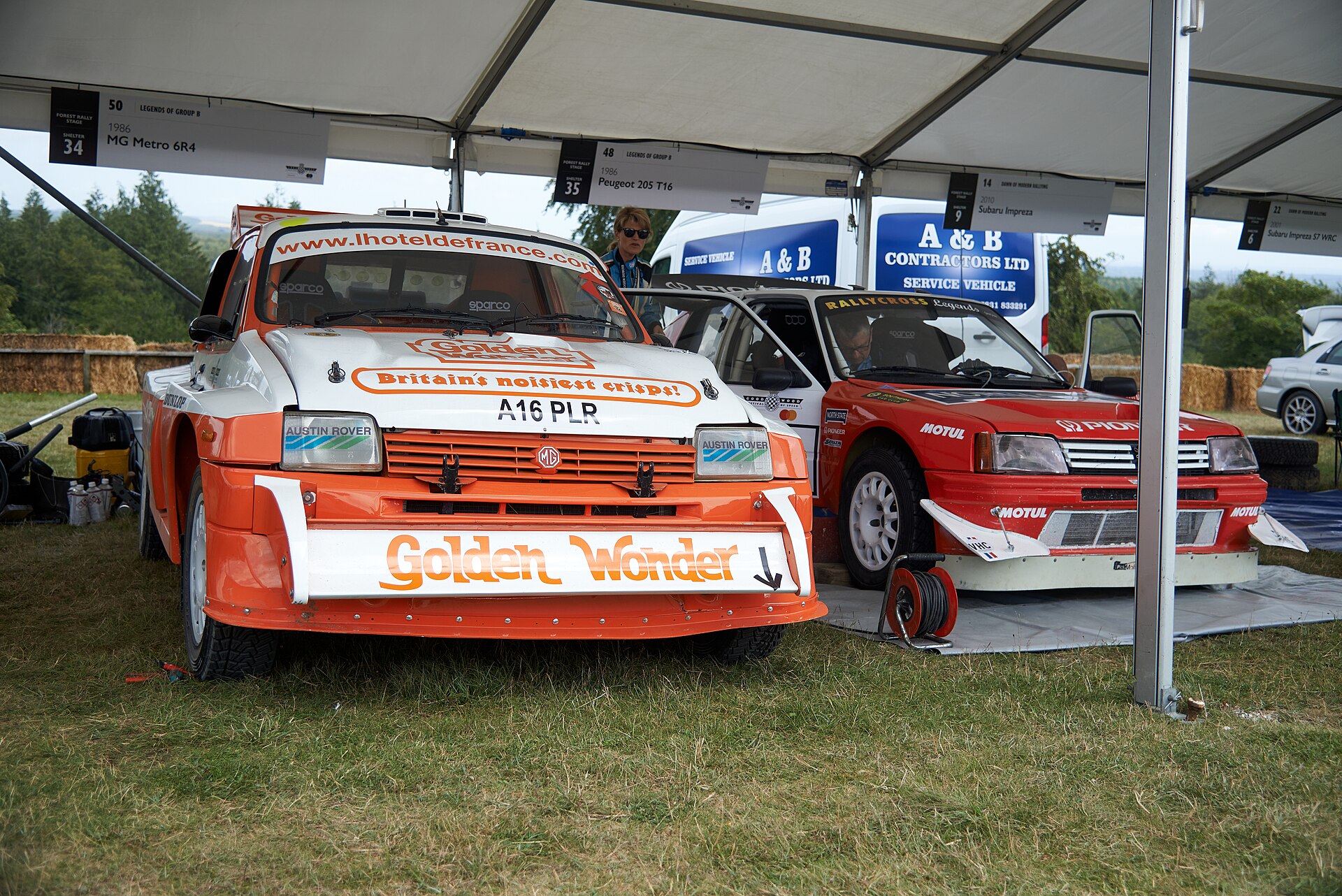
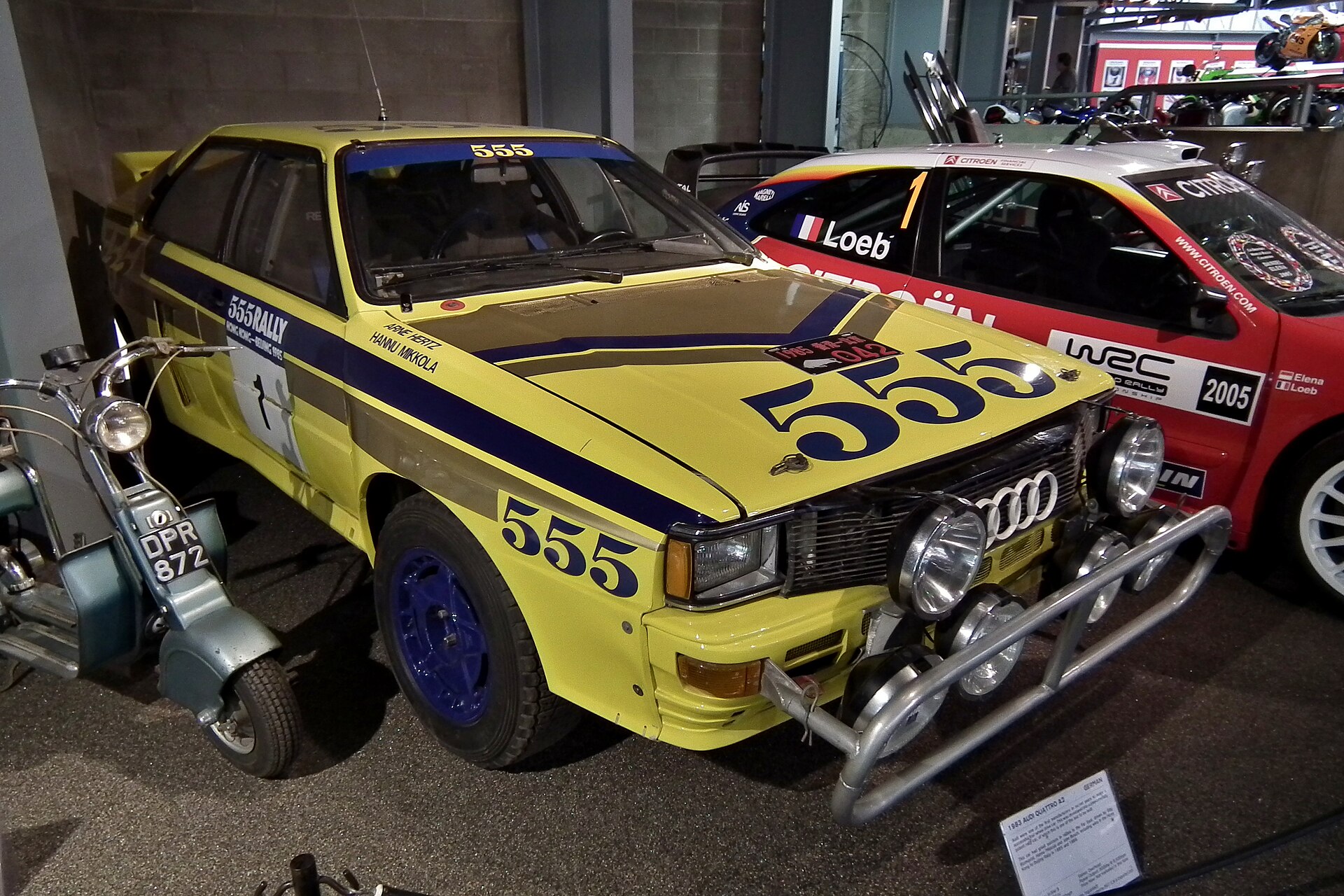
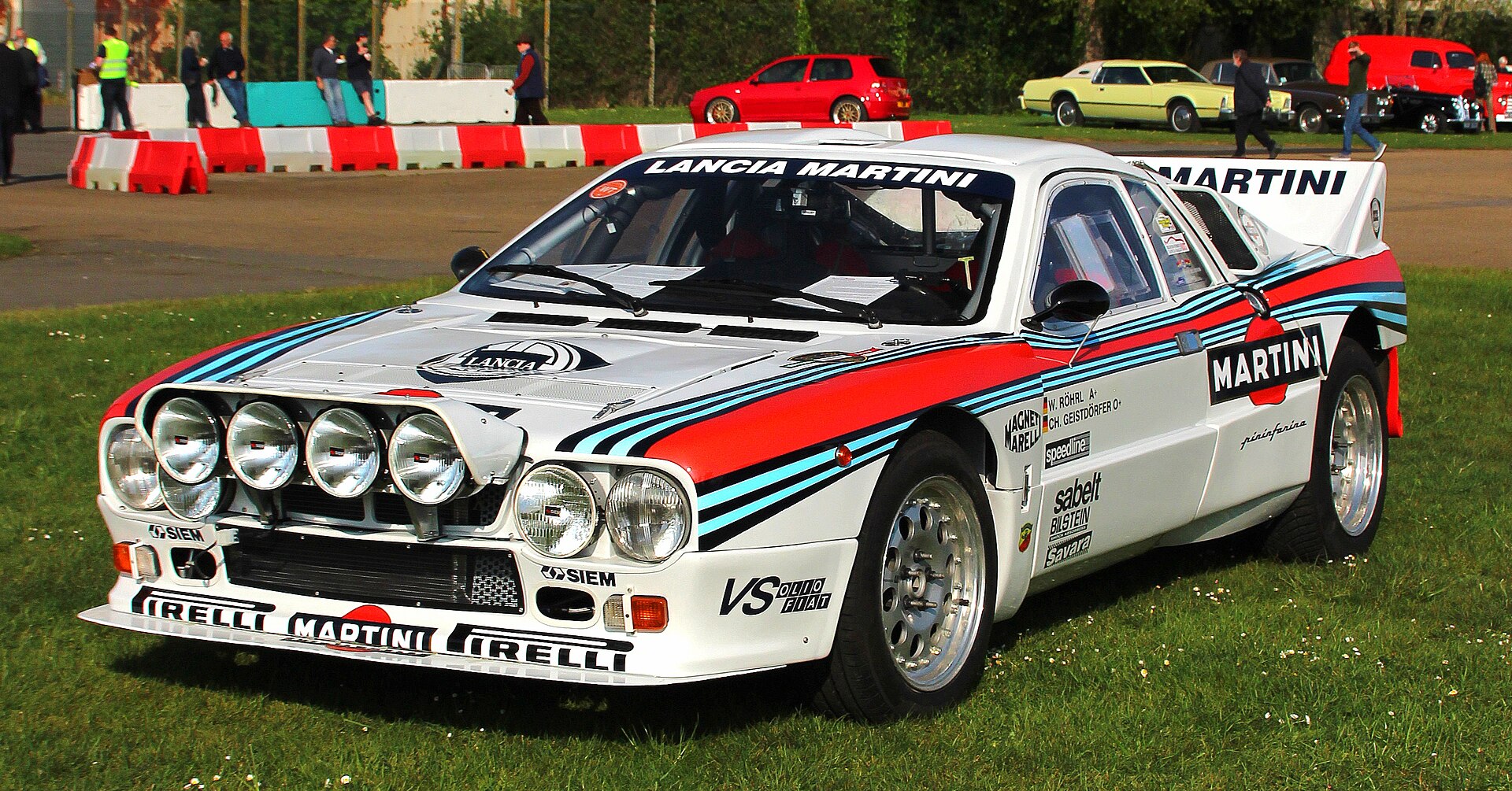
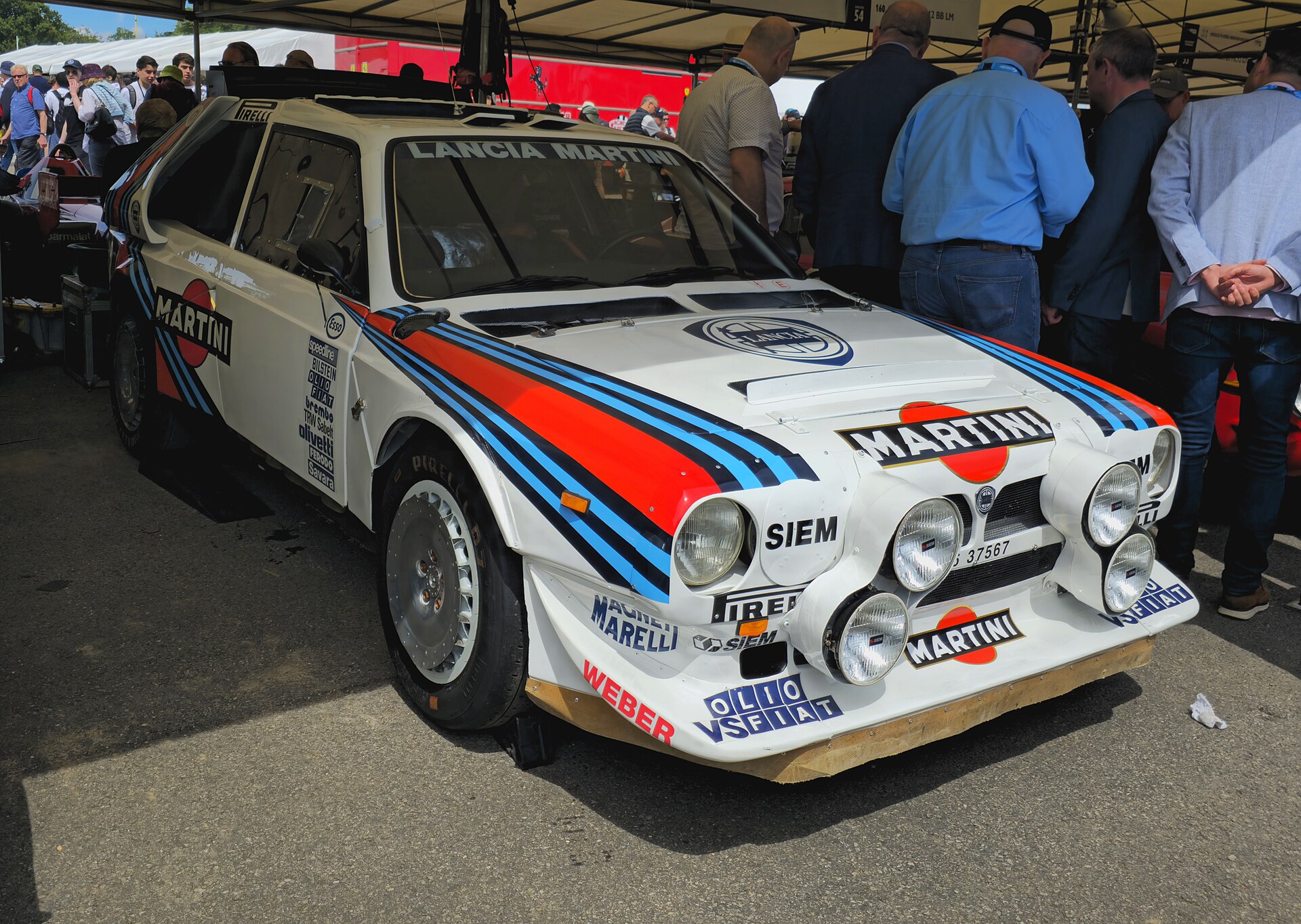
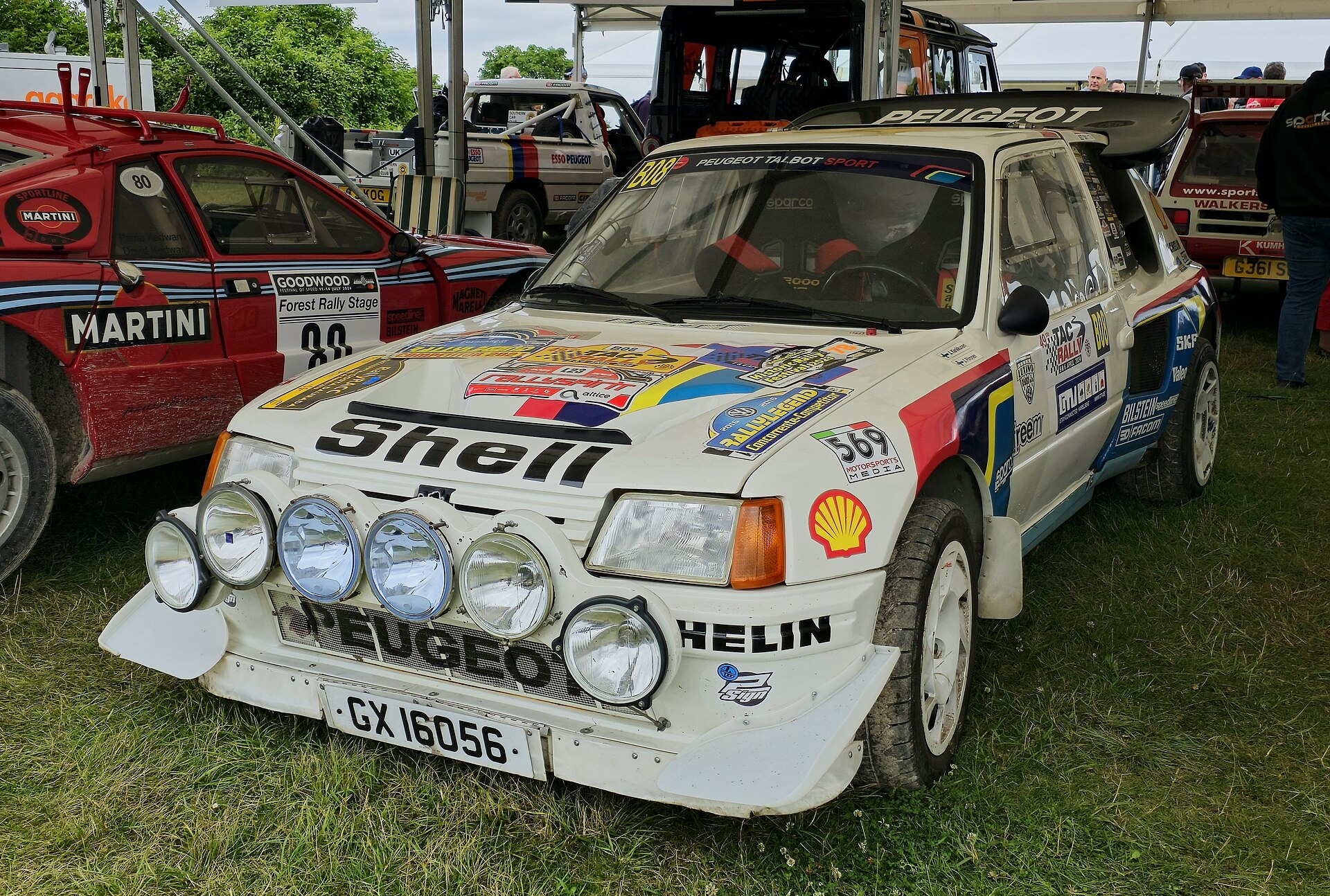
Group B was never a planned revolution. In 1982 FISA, then the sporting arm of the FIA, mainly wanted to tidy up a jungle of categories. But the low production requirement (200 cars) and the absence of any power limit set off a technological arms race that took less than four years. Audi brought four-wheel drive; Lancia answered with lightness and a supercharger; Peugeot moved the engine behind the seats and won with a car that resembled a 205 in name only. By 1986 Lancia, Peugeot and Audi were all running cars that, according to most sources, produced more than 450 hp.
That speed came at a price. In 1985 Attilio Bettega was killed in Corsica. In March 1986 Joaquim Santos ploughed into the crowd in Portugal, and on 2 May 1986 Henri Toivonen and Sergio Cresto died on the same Tour de Corse. Within days FISA decided that Group B would no longer be allowed in the World Championship after 1986. The story of that decision is told under the regulations and iconic moments.
How this section is organised
Jump to
- The five seasons: 1982 · 1983 · 1984 · 1985 · 1986
- Every rally: all 61 world championship rounds with results and stage stories, in a filterable index or by season: 1982 · 1983 · 1984 · 1985 · 1986
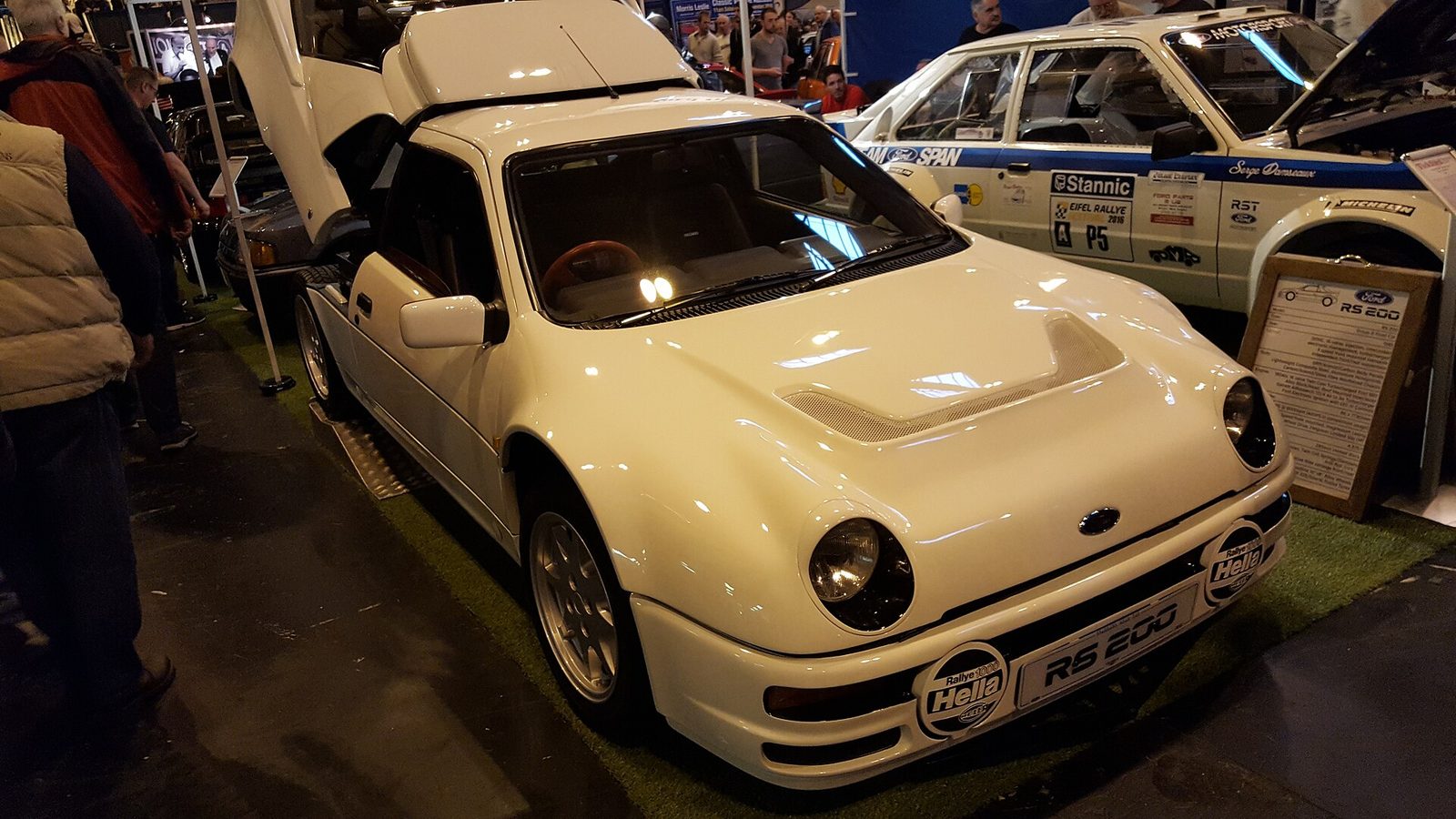
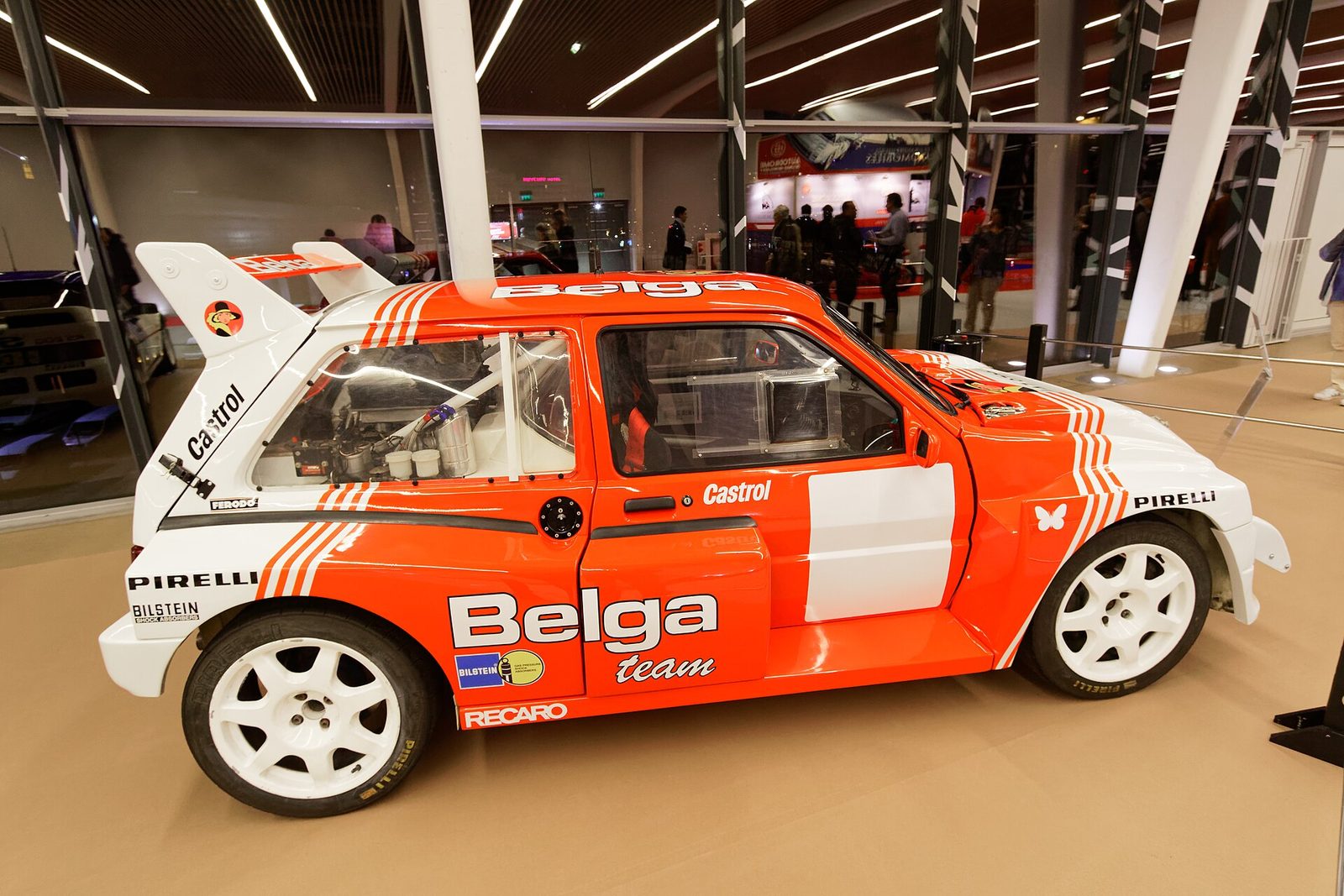
- The icons: Audi Quattro, Lancia 037, Lancia Delta S4, Peugeot 205 T16, Ford RS200, MG Metro 6R4
- The champions: Walter Röhrl, Hannu Mikkola, Stig Blomqvist, Timo Salonen, Juha Kankkunen
- The people behind the scenes: co-drivers, teams and team managers and designers and engineers
- Beyond the World Championship: the European and national championships where Group B cars raced most often, and the end of Group B in 1986
- The numbers: statistics with sortable tables and a car comparison tool
- Watch: documentaries about Group B
Why on a driver management website?
Group B is the ultimate case study for anyone who works with performance. Nowhere else in motorsport did engineering, team management, risk control and a driver’s mental capacity collide so violently. Teams such as Jean Todt’s at Peugeot and Cesare Fiorio’s at Lancia were laboratories of systematic performance — and the tragedies of 1985 and 1986 show what happens when a system grows faster than its safety margins. Read on in teams and team managers.
Follow Grouve Sport on YouTube
Rally and motorsport Shorts from Grouve Sports Management Group — and, soon, every episode of our documentary series Group B — The Rally Years. Subscribe so you never miss a new upload.
Five seasons at a glance
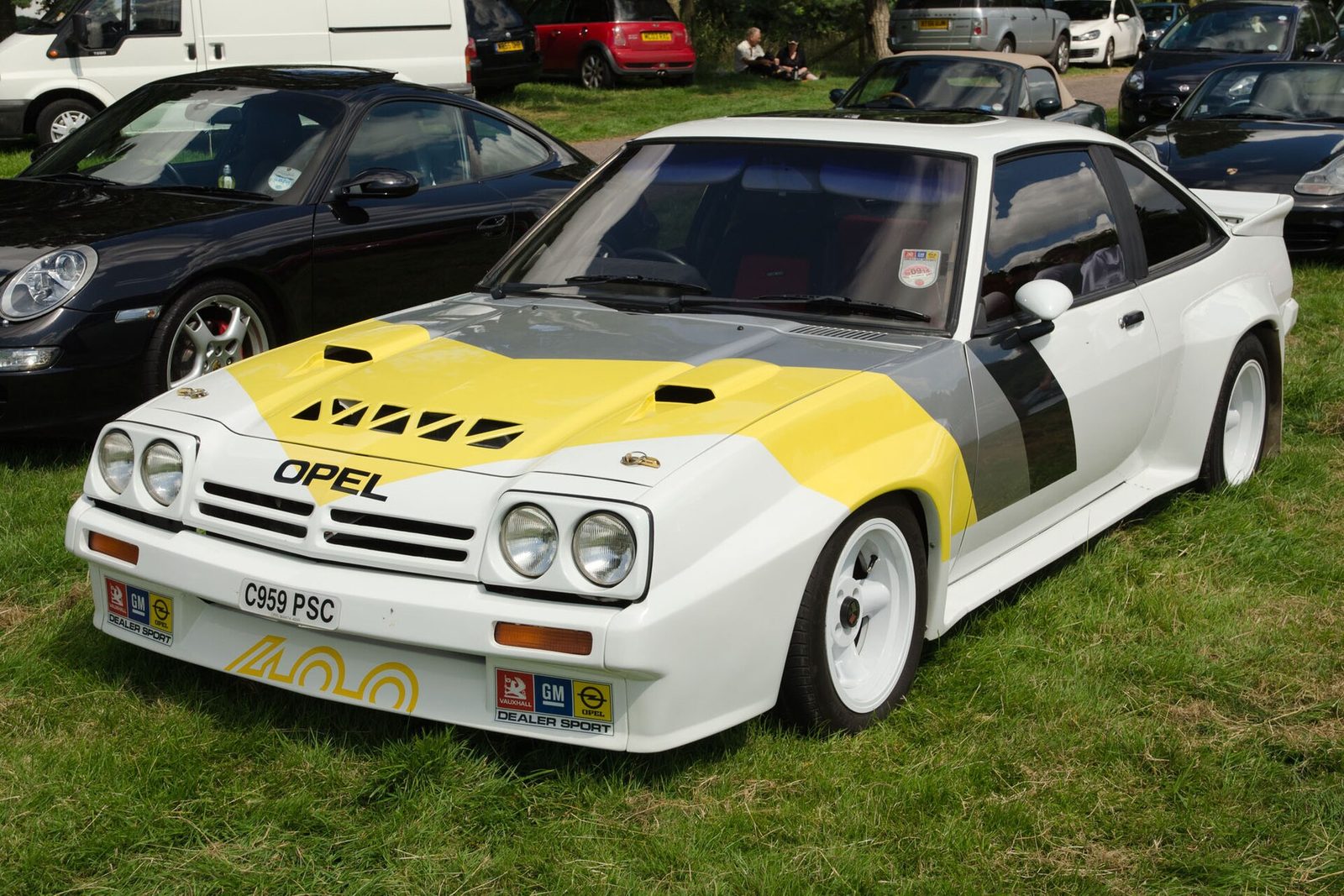
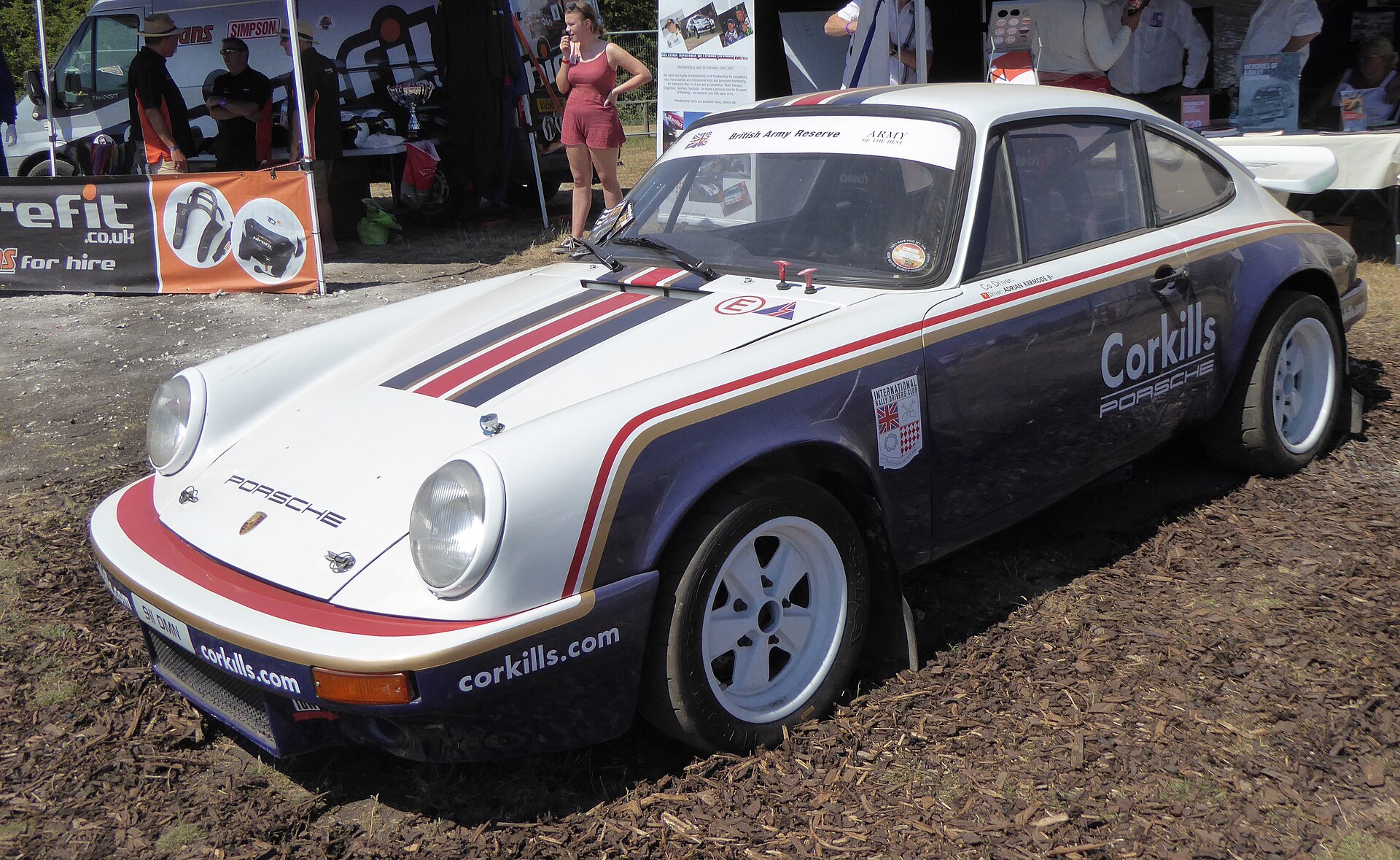
Group B in pictures 9 photos
Sources
- Wikipedia (EN), Group B — https://en.wikipedia.org/wiki/Group_B
- Wikipedia (EN), World Rally Championship seasons 1982–1986 — https://en.wikipedia.org/wiki/1986_World_Rally_Championship
- eWRC-results, season summaries 1982–1986 — https://www.ewrc-results.com/season/1986/
- Jonkka's World Rally Archive (juwra.com) — https://www.juwra.com/
All text is original writing for Grouve Sports Management Group, based on the sources above. Facts checked on 21 October 2026.
Thumbnail photos on this page: Nicky Clarke (Wikimedia Commons, CC BY 2.0); Carlom1961 (Wikimedia Commons, CC BY 4.0); _morgado (Wikimedia Commons, CC BY 2.0); estoril (Wikimedia Commons, CC BY 2.0); Ermell (Wikimedia Commons, CC BY-SA 4.0); Fabien Rochet (Wikimedia Commons, CC BY-SA 4.0); Tony Harrison (Wikimedia Commons, CC BY-SA 2.0); Anthospace (Wikimedia Commons, CC BY-SA 4.0); Mr.choppers (Wikimedia Commons, CC BY-SA 3.0); Calreyn88 (Wikimedia Commons, CC BY-SA 4.0); Andrew Bone from Weymouth, England (Wikimedia Commons, CC BY 2.0); Thesupermat (Wikimedia Commons, CC BY-SA 3.0); Matthew Lamb (Wikimedia Commons, CC BY-SA 2.0); NaBUru38 (Wikimedia Commons, CC BY-SA 4.0); Calreyn88 (Wikimedia Commons, CC BY-SA 4.0).