
MG Metro 6R4
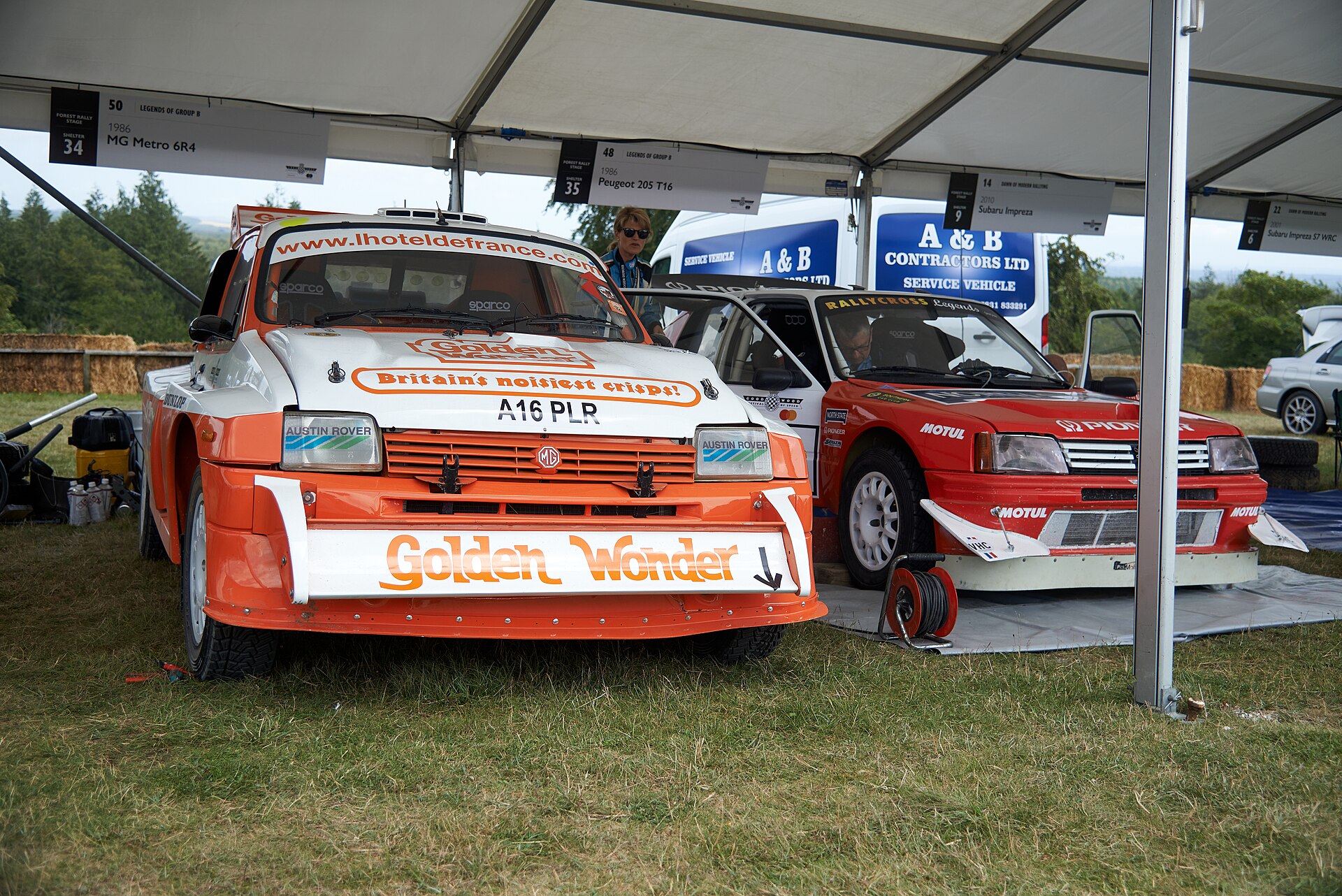
Austin Rover wanted the Metro — Britain’s everyday supermini of the 1980s — to compete at the very top of rallying. The result was one of the strangest and best-loved Group B cars: boxy, with spoilers everywhere, and a naturally aspirated V6 that sounded like a racing car.
MG Metro 6R4 — indicative
Episode 5 — The British Challengers: MG Metro 6R4 & Ford RS200
The Metro 6R4 and the Austin Rover team.
No turbo
While almost every rival relied on turbocharging, Austin Rover chose a naturally aspirated three-litre V6. It gave instant response with no turbo lag, but less peak power than the turbos of Peugeot and Lancia. Austin Rover developed the car together with the Williams Formula 1 team. Sources link the V64V engine to engine designer David Wood. The programme was led by John Davenport, Austin Rover’s director of motorsport. See Austin Rover.
Results
On its world championship debut, the RAC Rally of November 1985, Tony Pond and co-driver Rob Arthur finished third behind the two new Lancia Delta S4s. 1986 went badly: the V6 proved fragile and the car retired often. It never finished in the top three again. Alongside the ‘International’ works cars, Austin Rover built around 200 ‘Clubman’ examples for homologation, many of which competed in national championships.
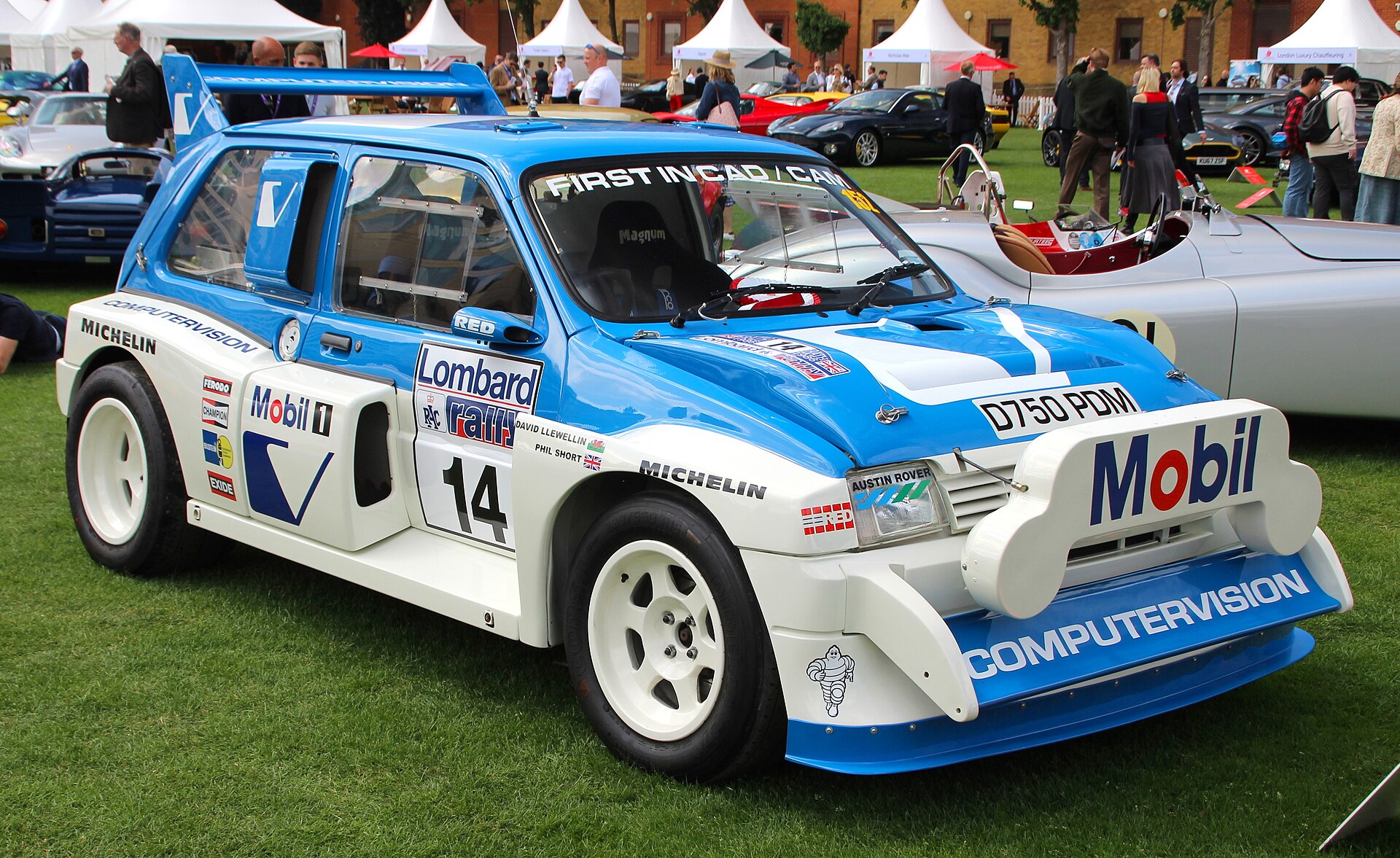
A city car with a 3.0-litre naturally aspirated V6, developed with Williams. Third on its debut, then dogged by reliability problems.
After 1986
After 1986 the 6R4 remained a popular car in national rally championships, where privateers valued it because it was relatively simple to maintain.
European and national championships
Didier Auriol won the 1986 French championship in a Metro 6R4, winning five rounds and beating François Chatriot’s Renault on number of wins after they tied on 119 points. Tony Pond won the 1986 Manx Rally, with David Llewellin second in another 6R4. See the French championship.
Results in the World Rally Championship
World Rally Championship podiums of the car (all evolutions), year by year (1982–1986). win 2nd 3rd
0 WRC wins · 1 podium finishes, 1982–1986
Photo gallery 4 photos
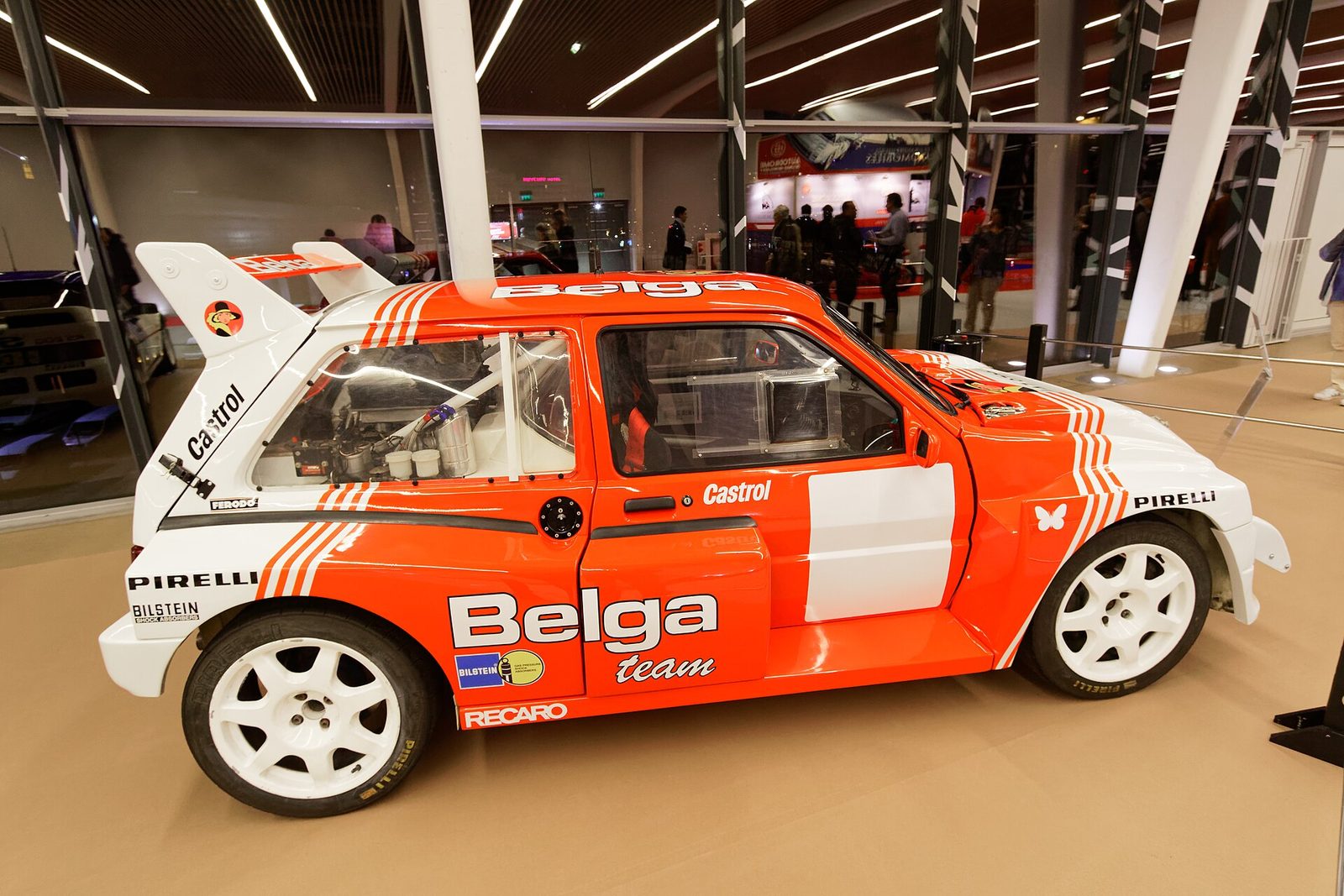
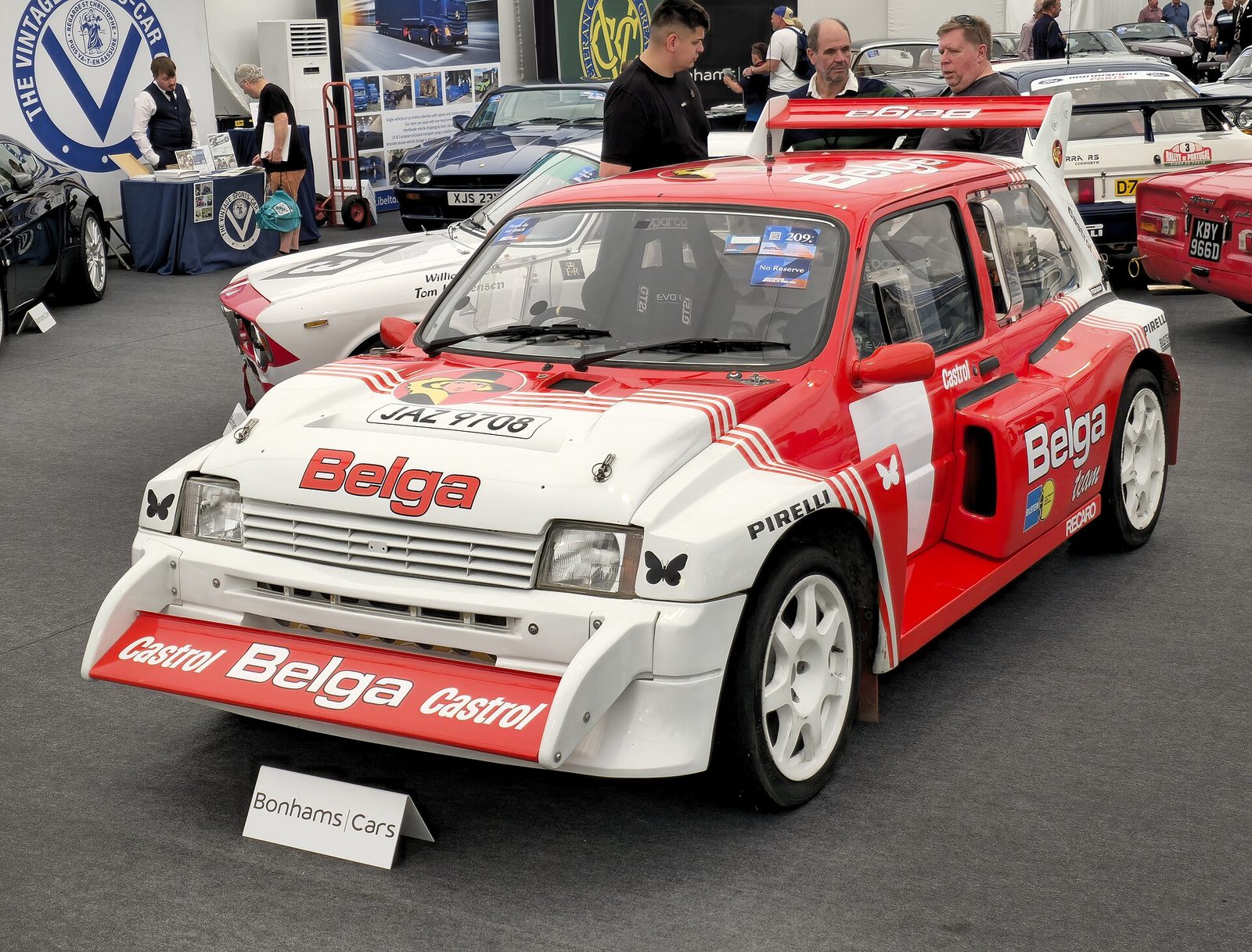
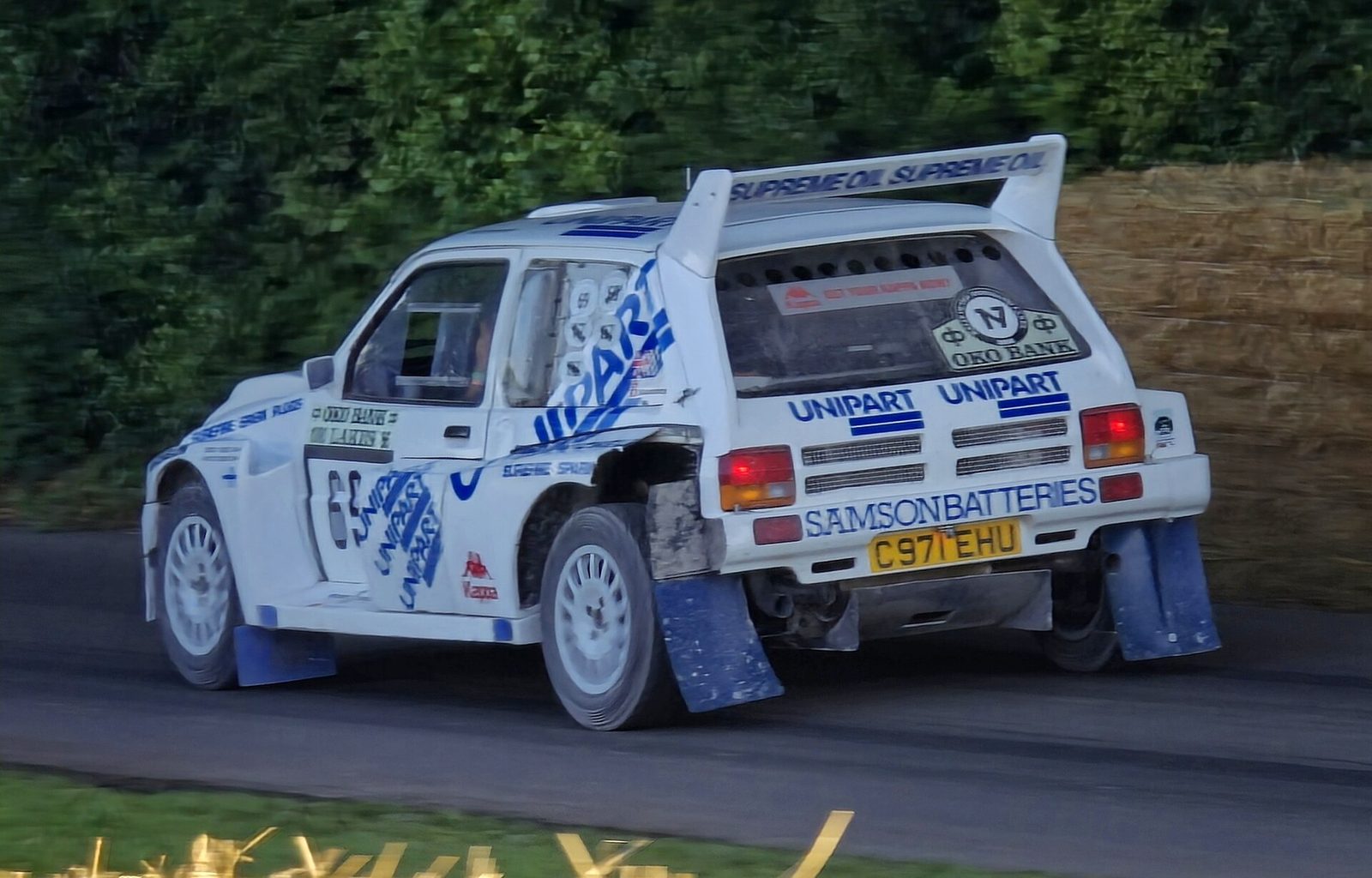
Historic Group B cars photographed at events, demonstrations and museums; each caption states where and when.
Further resources
- Hagerty UK: The MG Metro 6R4, a lesson in punctuality EN · article
Why the 6R4 arrived just as Group B was ending. - Motor Sport: MG Metro 6R4 EN · article · subscription
Feature on Austin Rover's naturally aspirated Group B car. - FIA homologation: MG Metro 6R4 (form B-277) EN · archive
The FIA's homologation record with dates, extensions and the scanned form. - 6R4.net: The history of the 6R4 EN · archive
Detailed development history of the Metro 6R4. - evo: Birth of an icon — MG Metro 6R4 EN · article
How Austin Rover and Williams created the 6R4.
More from Cars
Sources
- Wikipedia (EN), MG Metro 6R4 — https://en.wikipedia.org/wiki/MG_Metro_6R4
- Wikipedia (EN), 1985 World Rally Championship — https://en.wikipedia.org/wiki/1985_World_Rally_Championship
- Wikipedia (EN), Group B — Beyond WRC — https://en.wikipedia.org/wiki/Group_B
All text is original writing for Grouve Sports Management Group, based on the sources above. Facts checked on 21 October 2026.
Follow Grouve Sport on YouTube — rally Shorts now, Group B documentaries soon.
SubscribeThumbnail photos on this page: Alf van Beem (Wikimedia Commons, Public domain); SG2012 (Wikimedia Commons, CC BY 2.0); Brian Snelson from Hockley, Essex, England (Wikimedia Commons, CC BY 2.0); MrWalkr (Wikimedia Commons, CC BY-SA 4.0); _morgado (Wikimedia Commons, CC BY 2.0); Calreyn88 (Wikimedia Commons, CC BY-SA 4.0).