
Rally
By Gerard Grouve
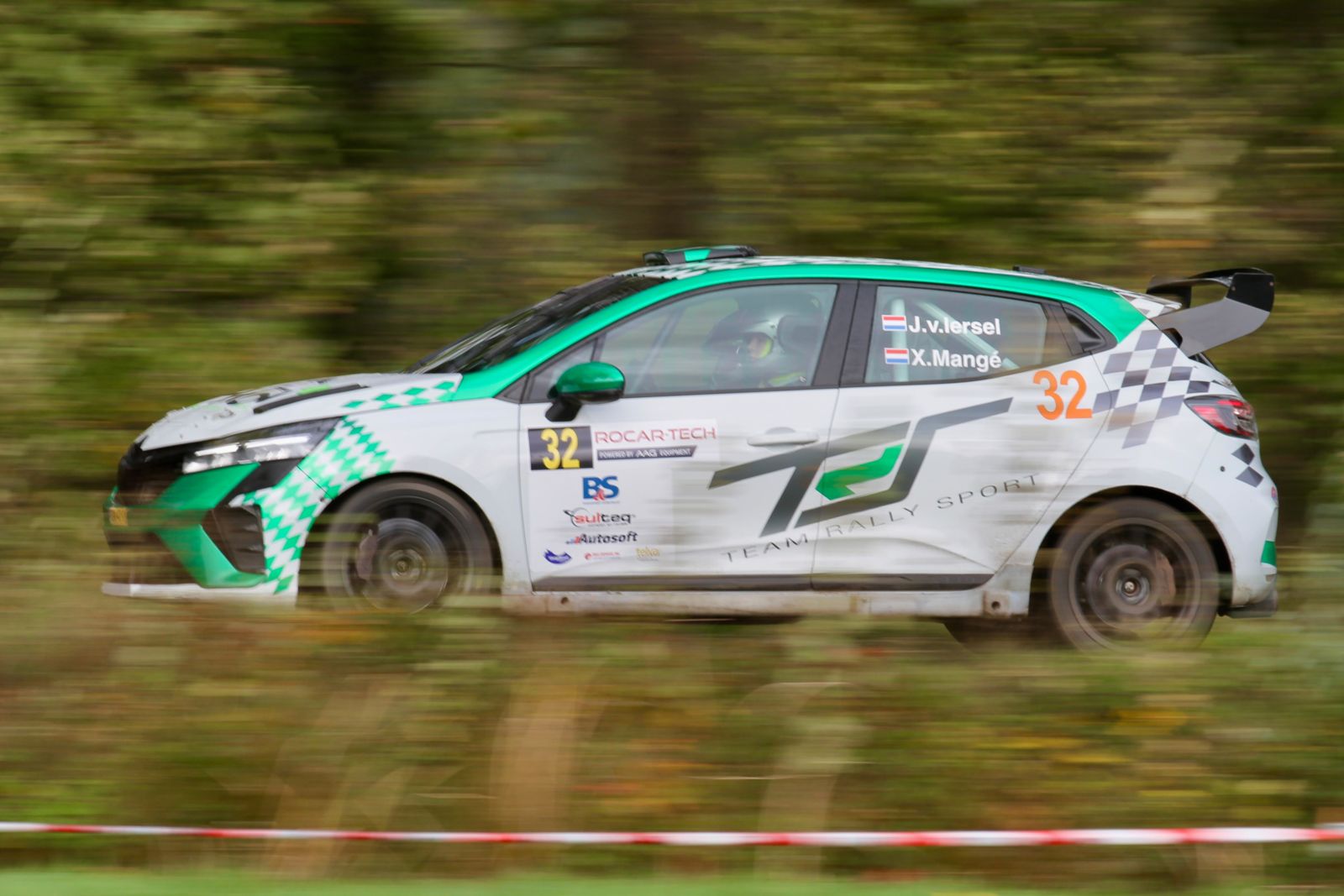
The Dutch rally season ended at the Rocar-Tech Twente Rally on 24 and 25 October (final results). For one young Dutch driver, the season is not over yet. Max van Empel, 19, travels to the Spa Rally on 28 and 29 November for the next round of the ADAC Opel GSE Rally Cup. Time for a question every young driver, parent and partner asks sooner or later: how do you turn a talented newcomer into a champion in their first full season?
01: A Debut Season That Delivered
Van Empel came to rallying from rallycross. In 2025, his first rally season, he won the R5 class and the overall Motul Clio Rally Trophy, the KNAF reported. For 2026, the KNAF Talent First Academy, with support from Opel Nederland, entered him in the ADAC Opel GSE Rally Cup, an international series for the fully electric, 281 hp Opel Mokka GSE Rally. Beside him sits the experienced co-driver Eddy Smeets.
Year two has been tougher, and just as valuable. At the ELE Rally he won two stages and was second overall on day two, before front suspension damage forced him out on the penultimate stage. At Rallye Weiz the brief was simple: finish, make kilometres, gain experience. He finished ninth. In Sanremo, facing 113 kilometres of narrow mountain stages for the first time, he was eighth in the cup and fifth in the Junior classification.
02: What First-Season Champions Have in Common
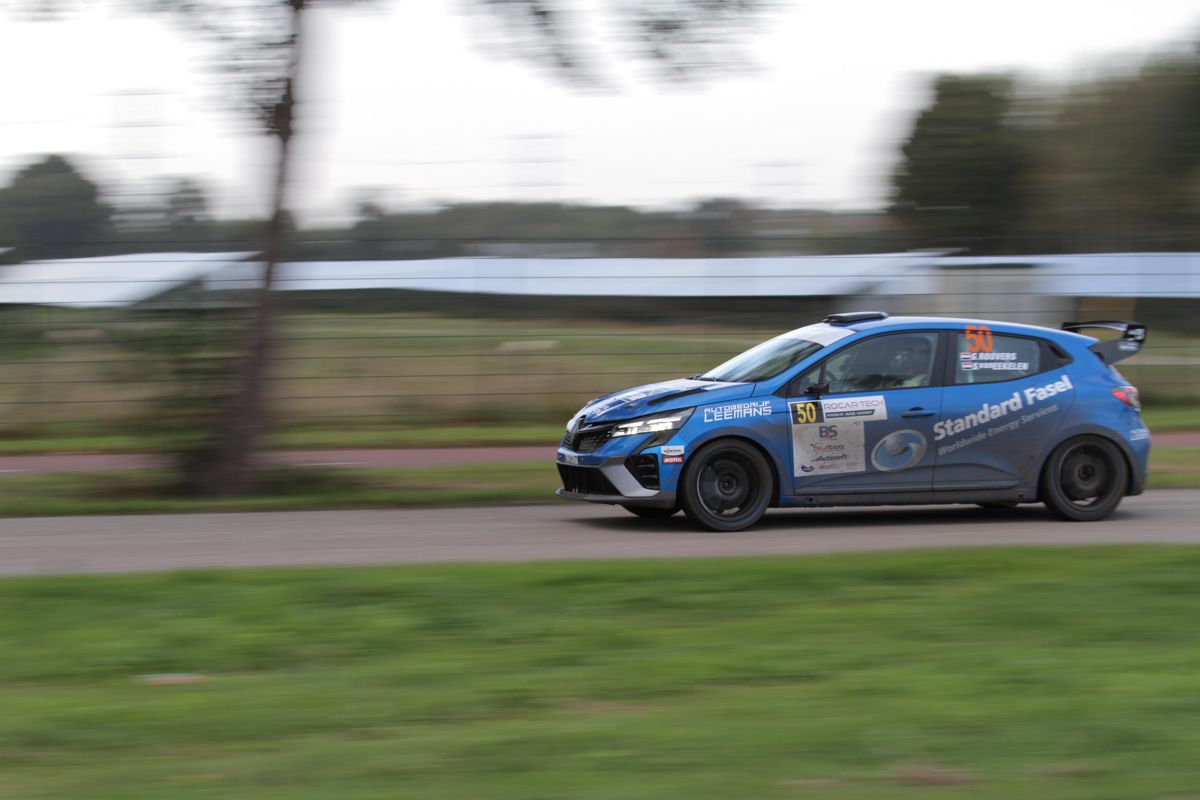
As director of Van Merksteijn Motorsport, I was responsible for two rally programmes that turned a first full season into a title: Peter van Merksteijn Jr. won the 2007 Dutch Group N championship, and Bernhard ten Brinke became Dutch Rally Champion in 2009. Ten Brinke came from circuit racing in the Renault Mégane Trophy and, as Rallye Magazin reported, took the title with consistently good results while his rivals did not contest every round.
Neither title was about raw speed alone. Both were about how the season was built. Three principles stand out:
- 01Pair youth with experience.A newcomer learns faster next to a co-driver who has seen it all. Ten Brinke had Hans van Goor beside him in 2009; Van Empel has Eddy Smeets today. The co-driver manages the rhythm of the weekend, so the driver can focus on driving.
- 02Contest the full calendar.A title is won over a season, not a weekend. In 2014, KNAF Talent First driver Mats van den Brand won all five of his starts in the Ford Fiesta Sport Trophy, yet lost the title by 0.1 seconds on a single stage after missing earlier rounds.
- 03Set one brief per event.Every rally needs one objective, agreed before the start: learn, finish, score or attack. ‘Finish and make kilometres’ is not a lack of ambition. It is how ambition becomes results.
Key takeaway
“In a first full season, the points come from finishing. The speed comes from the kilometres.”
03: Build the Season, Not the Weekend
Every first-season title rests on a plan made months earlier. Choose events that fit the learning curve, not only the ones that look good on social media. Test before the rallies that matter. Treat the recce and the pace notes as seriously as the stages themselves. And fund the whole calendar, including a reserve for repairs. A programme that runs out of budget in August cannot win a title in October.
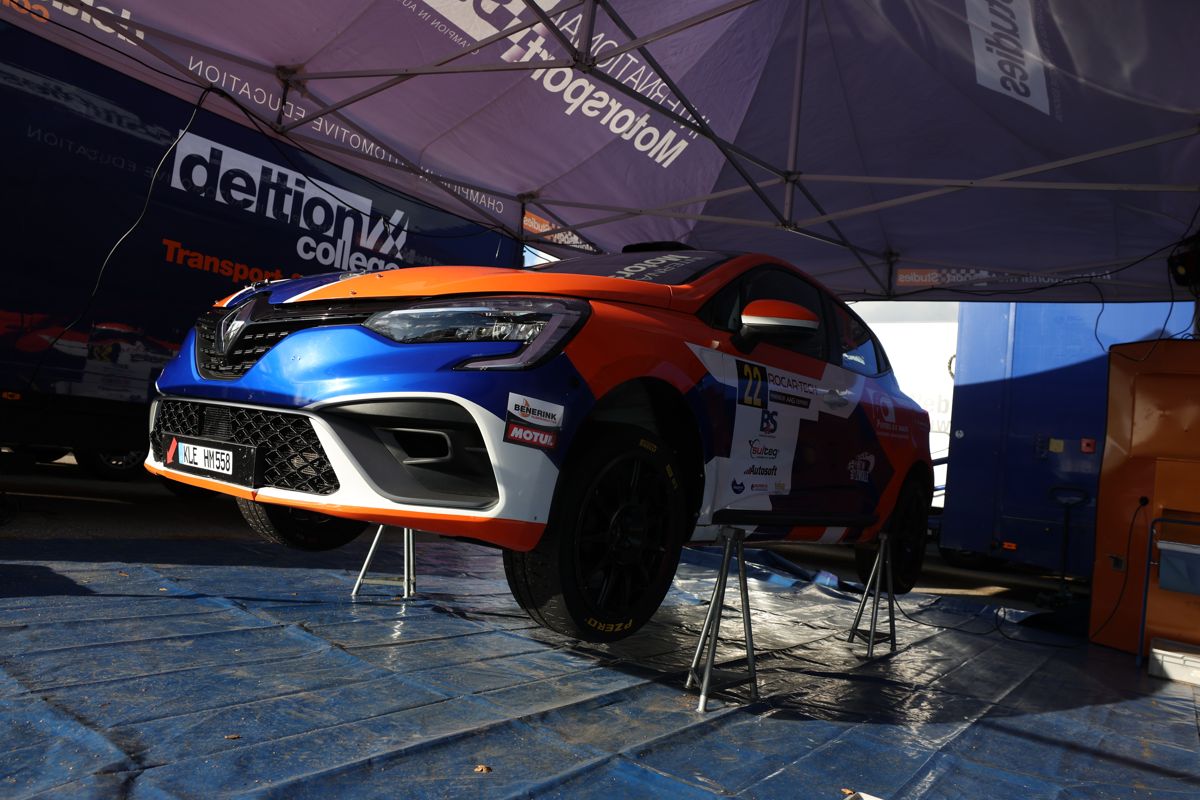
The debrief matters just as much. After every event, compare stage times with the class leaders section by section. Where was the time lost: braking, corner speed, a cautious note? Pick one or two learning goals for the next rally and nothing more. A young driver who fixes one thing per event will be a different driver by the final round.
04: The Second Season Is Part of the Plan
Van Empel’s year shows something else. Success in year one raises expectations for year two, while a new car, new roads and stronger international opposition will cost results before they pay back. After Sanremo he said it plainly: ‘Finishing is already quite an achievement’. That is the right mindset, and it is the right message for partners too. Explain the learning curve to sponsors before the season starts, not after the first retirement.
05: The Verdict
Talent gets a driver noticed. Structure turns talent into a title. An experienced co-driver, the full calendar, a clear brief for every event and an honest debrief afterwards: that is what Van Empel’s patient run through Sanremo shows. For young crews planning 2027, that work starts this winter.
Planning a first full season for a young driver? At GSMG we combine driver management with the Grouve Portaal, our own coaching and data platform for rally weekends. Talk to GSMG about your programme.
About the author. Gerard Grouve is the founder of Grouve Sports Management Group. As director of Van Merksteijn Motorsport he was ultimately responsible for the programme that won the LMP2 class at Le Mans in 2008, and for the rally programmes that won the 2007 Dutch Group N title and the 2009 Dutch Rally Championship, both with drivers in their first full season. From 2013 he served as the KNAF’s Dutch national coach in the Talent First programme.
Sources:
- ■eWRC-results, Rocar-Tech Twente Rallye 2026 final results
- ■KNAF, ‘KNAF Talent First Academy selectie 2026 bekend’ (10 April 2026)
- ■KNAF, ‘Kamermans en Van Empel in ADAC Opel GSE Rally Cup’
- ■KNAF, ELE Rally report, ADAC Opel GSE Rally Cup (3 June 2026)
- ■KNAF, Rallye Weiz report, ADAC Opel GSE Rally Cup (20 July 2026)
- ■KNAF, Rallye Sanremo report, Max van Empel (20 October 2026)
- ■Wikipedia, Peter van Merksteijn Jr.
- ■Rallye Magazin, ‘ten Brinke gewinnt Meisterschaft’ (12 November 2009)
- ■RaceXpress, Mats van den Brand, Ford Fiesta Sport Trophy 2014 (4 November 2014)
Images: Header: Geo.motomedia (@geo.motomedia) · © Geo.motomedia | GSMG Beeldbank · Inline 1: Geo.motomedia (@geo.motomedia) · © Geo.motomedia | GSMG Beeldbank · Inline 2: Tom Lloyd (@lxco.photo) · © Tom Lloyd | GSMG Beeldbank